A dental emergency rarely announces itself at a convenient time. A sudden toothache at midnight, a cracked tooth from a fall, or a filling that comes loose over a holiday weekend can turn an ordinary day into a stressful one. At Centreville Family and Cosmetic Dentistry, we understand that dental pain is not just physically uncomfortable; it interferes with eating, speaking, sleeping, and focusing on daily responsibilities. That disruption is exactly why we keep room in our schedule for urgent cases and why our team is trained to move quickly without sacrificing the careful, thorough evaluation every patient deserves.
Emergency dentistry covers a wide range of situations, from severe infections and abscesses to knocked-out teeth, broken restorations, and soft tissue injuries. Each case is different, and the underlying cause often determines how quickly treatment needs to happen to prevent further damage. Our approach starts with listening closely to what you are experiencing, followed by a focused clinical exam and, when needed, digital X-rays to see exactly what is happening beneath the surface.
Our philosophy for urgent care is simple: stabilize the problem, relieve the pain, and build a clear plan for whatever comes next, whether that means a same-visit repair or a scheduled follow-up for more involved treatment. You should never feel like you are navigating a dental emergency alone, and our team is here to walk you through every step with patience and clear communication.
Not every dental issue requires immediate attention, but some symptoms signal that waiting could allow a small problem to become a much larger, more painful, and more expensive one. If you notice any of the following, it is worth calling our Centreville office right away so we can advise you on next steps.
Severe, Throbbing Toothache: Persistent pain that does not respond to over-the-counter medication often points to infection or nerve involvement that needs prompt evaluation.
Knocked-Out Tooth: A tooth that has been fully dislodged has the best chance of being saved if you reach a dentist within thirty to sixty minutes of the injury.
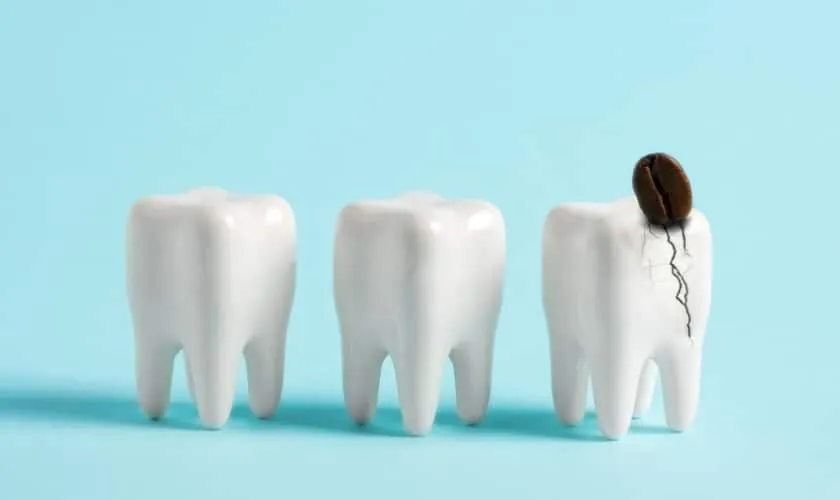
Cracked or Fractured Tooth: Visible cracks, especially ones accompanied by pain when biting, can expose the inner pulp to bacteria and require fast intervention.
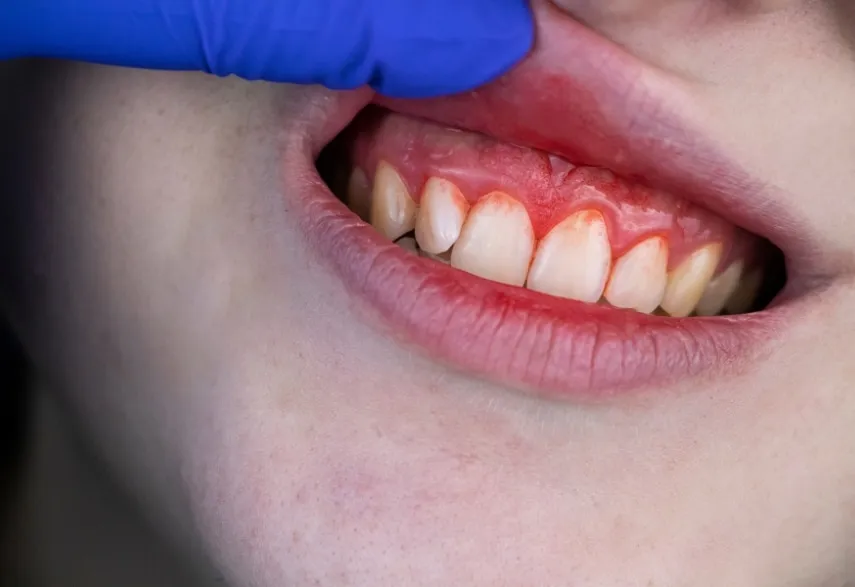
Facial or Gum Swelling: Swelling around the jaw, cheek, or gum line is frequently a sign of a spreading infection that can become serious if left untreated.
Lost or Loose Filling or Crown: An exposed tooth surface is vulnerable to sensitivity, decay, and further breakage until it is properly restored.
Persistent Bleeding: Bleeding from the gums or mouth that does not stop after gentle pressure may indicate trauma or an underlying issue needing care.
Abscess or Pimple-Like Bump on the Gums: This is often a visible sign of infection at the tooth root and should never be ignored, even if pain is minimal.
Object Lodged Between Teeth: Something trapped that will not dislodge with flossing can cause gum irritation and should be removed safely by a professional.
Pain When Biting or Chewing: Sharp discomfort with normal function can point to a cracked tooth, loose restoration, or deeper structural issue.
Jaw Pain After Impact: Pain following a sports injury, fall, or accident could indicate a fracture that needs imaging and prompt assessment.
Even when symptoms seem minor, a quick phone call to our team can help you decide whether same-day care is necessary. Delaying treatment on an infection or fracture often allows the problem to worsen, sometimes turning a simple fix into a more extensive and costly procedure.
What Causes Dental Emergencies
Dental emergencies rarely come from a single cause. More often, they result from a combination of everyday habits, untreated dental issues, and unexpected accidents. Understanding what commonly leads to urgent situations can help you recognize warning signs earlier and reduce your risk going forward.
Untreated Tooth Decay
Cavities that go unaddressed can progress to the inner pulp, leading to infection, abscess formation, and sudden, severe pain that demands urgent treatment.
Sports and Physical Accidents
Falls, collisions, and contact sports are leading causes of chipped, cracked, or knocked-out teeth, especially when a mouthguard is not worn during activity.
Chewing on Hard Objects
Biting ice, hard candy, pens, or fingernails places repeated stress on tooth enamel, often resulting in sudden fractures or cracked cusps.
Skipped Routine Checkups
Missing regular exams allows small issues like hairline cracks or early decay to go unnoticed until they become painful emergencies.
Nighttime Grinding (Bruxism)
Unconscious clenching or grinding during sleep puts significant pressure on teeth and restorations, often leading to cracks that surface as sudden pain.
Aging or Failing Restorations
Fillings and crowns do not last forever. As they wear down or weaken, they can loosen or fall out unexpectedly, exposing the tooth underneath.
Gum Disease Progression
Advanced gum disease can cause teeth to loosen and gums to become painfully inflamed, sometimes requiring urgent treatment to control infection.
From Urgent Call to Lasting Relief
When you call us during a dental emergency, we move with purpose while never rushing through the details that matter. Here is what you can expect from the moment you reach out to the point your pain is resolved.
1
Immediate Phone Consultation
When you call, our team asks about your symptoms, how the injury or pain began, and offers guidance on what to do before you arrive, such as managing bleeding or preserving a knocked-out tooth.
2
Comprehensive Clinical Evaluation
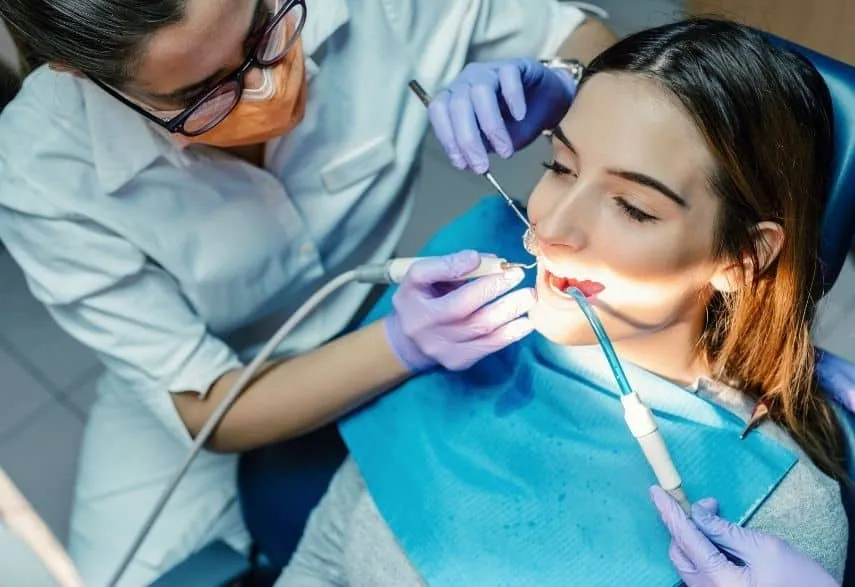
Once you arrive, we perform a focused exam and, when needed, digital X-rays to pinpoint the exact source of pain, infection, or structural damage so nothing is overlooked.
3
Clear Treatment Plan
We explain what we found in plain language, walk you through treatment options, and answer any questions before moving forward, so you always understand what is happening and why.
4
Gentle, Focused Treatment
Whether it is a repair, extraction, root canal, or restoration, we deliver treatment with a focus on comfort, using numbing techniques and a calm pace throughout the appointment.
5
Follow-Up and Recovery Support
After treatment, we provide clear aftercare instructions and schedule any follow-up visits needed to make sure healing progresses well and your bite feels stable again.
What Relief Looks Like
Effective emergency dentistry goes beyond simply stopping the pain for a day or two. Our goal is to resolve the underlying problem so you can return to eating, speaking, and smiling without worrying about what might happen next.
Fast Pain Relief
Targeted treatment addresses the actual source of discomfort, whether that is an infected nerve or a cracked tooth, rather than masking symptoms temporarily.
Prevention of Infection Spread
Treating an abscess or infection early reduces the risk of it spreading to surrounding tissue, the jaw, or even the bloodstream.
Restored Bite Function
Repairing a cracked or broken tooth restores your ability to chew comfortably and evenly, protecting neighboring teeth from extra strain.
Saved Natural Teeth
Quick intervention after trauma or injury dramatically increases the odds of saving a tooth that might otherwise be lost permanently.
Restful, Uninterrupted Sleep
Resolving the source of pain means you no longer have to lie awake at night with a throbbing tooth or swollen gum.
Peace of Mind
Knowing exactly what caused the emergency and that it has been properly addressed brings genuine reassurance for you and your family.
Why Minutes Matter After a Dental Injury
When a tooth is knocked out or fractured, the clock starts ticking the moment the injury happens. The periodontal ligament fibers that hold a tooth in its socket begin to dry out and die within a short window, which is why reaching our office quickly gives us the best chance of re-implanting or saving a natural tooth. Keeping the tooth moist, whether in milk or a tooth preservation kit, and avoiding touching the root can make a meaningful difference in the outcome.
Infections behave similarly in terms of urgency, though the timeline is measured in days rather than minutes. Bacteria from an untreated cavity can travel into the pulp chamber, causing inflammation and pressure that builds until it becomes an abscess. Left unaddressed, that infection can spread into the jawbone or soft tissue of the face and neck, occasionally requiring hospitalization in severe cases.
This is why we encourage patients never to "wait it out" when something feels seriously wrong. A same-day evaluation allows us to intervene before a manageable issue becomes a surgical one, which protects both your oral health and your wallet in the long run.
What to Do Before You Reach Our Office
While nothing replaces a professional evaluation, a few simple steps taken at home can reduce pain and improve outcomes while you make your way to our Centreville office.
Rinse with Warm Salt Water
A gentle warm saltwater rinse can reduce bacteria and soothe irritated gum tissue while you wait for your appointment.
Apply a Cold Compress
Holding a cold compress against the outside of the cheek can help minimize swelling from an injury or infection.
Preserve a Knocked-Out Tooth
Keep the tooth moist in milk or saliva and avoid scrubbing the root, which can damage the fibers needed for re-implantation.
Avoid Aspirin Directly on Gums
Placing aspirin directly against the gum tissue can cause a chemical burn; take pain relievers orally as directed instead.
Save Any Broken Pieces
If a tooth or restoration breaks, save the fragments in a clean container; they may help guide our repair approach.
Stick to Soft Foods
Avoid chewing on the affected side and stick to soft, lukewarm foods until you have been seen and treated.
These steps are meant to help manage discomfort temporarily, not to substitute for professional care. Please call our office as soon as possible so we can determine the right course of treatment for your specific situation.
"We never want a patient to feel embarrassed or rushed during a dental emergency. Our job is to calm the pain, explain what happened, and help you feel confident again."
Clinical Team•Centreville Family and Cosmetic Dentistry
FAQs
Frequently Asked Questions
Answers to the questions we hear most often from patients facing dental emergencies in Centreville, VA.
What counts as a dental emergency?
A dental emergency includes severe pain, a knocked-out or fractured tooth, uncontrolled bleeding, facial swelling, or signs of infection like a bump on the gums. If you are unsure whether your situation qualifies, call our office and describe your symptoms; we will tell you whether you need to come in right away or can wait for a regular appointment.
Do you offer same-day emergency appointments?
Yes, we reserve time in our daily schedule for urgent cases and do our best to see emergency patients the same day they call. When you contact our Centreville office, let our team know you are dealing with a dental emergency so we can prioritize your visit accordingly.
What should I do if my tooth gets knocked out?
Pick the tooth up by the crown, never the root, and rinse it gently with water if it is dirty. Try to reinsert it into the socket if possible, or keep it moist in milk or saliva, and call our office immediately. Reaching us within thirty to sixty minutes gives the tooth the best chance of being successfully saved.
How do I manage severe tooth pain before my appointment?
Rinsing with warm salt water, applying a cold compress to the outside of your cheek, and taking an over-the-counter pain reliever as directed can help manage discomfort temporarily. Avoid placing aspirin directly against the gum tissue, as it can cause a burn. These steps only provide temporary relief, so please contact our office promptly.
Will I need antibiotics for a dental infection?
In many cases, antibiotics can help control infection, but they are typically paired with a procedure such as a root canal or extraction to address the actual source of the problem. During your exam, we will determine the best combination of treatment to resolve the infection fully and prevent it from returning.
Is emergency dental treatment covered by insurance?
Most dental insurance plans provide coverage for emergency exams, X-rays, and necessary treatment, though the exact benefits depend on your specific plan. Our front desk team will review your coverage and explain any out-of-pocket costs before treatment begins, and we also offer flexible payment plans for urgent care.
What if my emergency happens outside normal office hours?
Call our office regardless of the time, and follow the instructions on our voicemail if we are closed. For severe trauma, uncontrolled bleeding, or facial swelling that affects breathing or swallowing, please go to the nearest emergency room immediately, then follow up with our office for dental-specific care.
How can I prevent future dental emergencies?
Routine checkups allow us to catch small cracks, weakening fillings, or early decay before they become painful problems. Wearing a mouthguard during sports, avoiding chewing on hard objects, and addressing teeth grinding with a nightguard are all practical ways to lower your risk of a future dental emergency.
Helpful Resources
Related Articles for Emergency Dentistry
Explore insightful articles and resources to better understand Emergency Dentistry at Centreville Family and Cosmetic Dentistry.

 14001 St Germain Dr Ste B, Centreville, VA 20121, United States


 Emergency Dentistry