Services

Dental Implants in Centreville, VA

Restore your smile with expert dental implants in Centreville. Our personalized approach ensures comfort and lasting results.

Dental Implants in Centreville, VA
Tooth Replacement

Dental Implants in Centreville, VA

Losing a tooth changes more than your smile. It changes how you chew, how your jawbone holds its shape, and how confident you feel speaking or laughing in front of other people. Over time, an empty space can cause neighboring teeth to shift, bite pressure to become uneven, and the jaw itself to lose density, since bone needs the stimulation of a tooth root to stay strong and healthy.

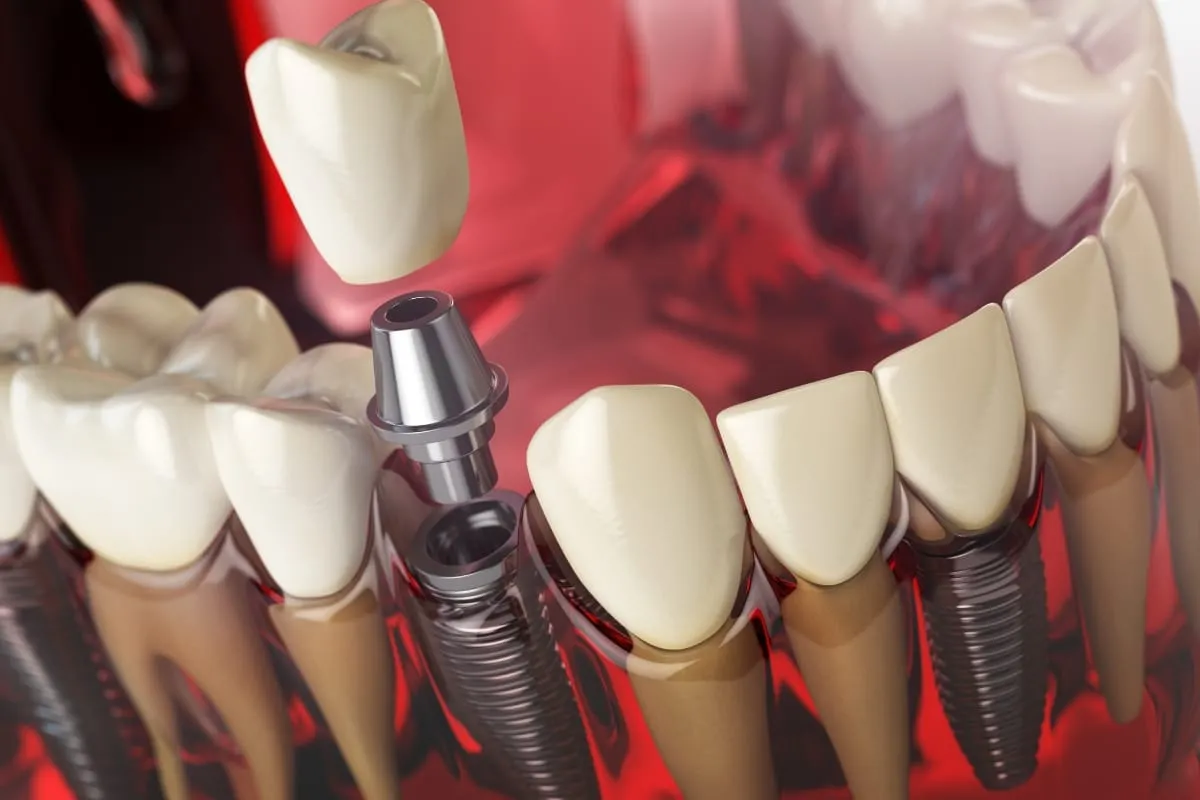
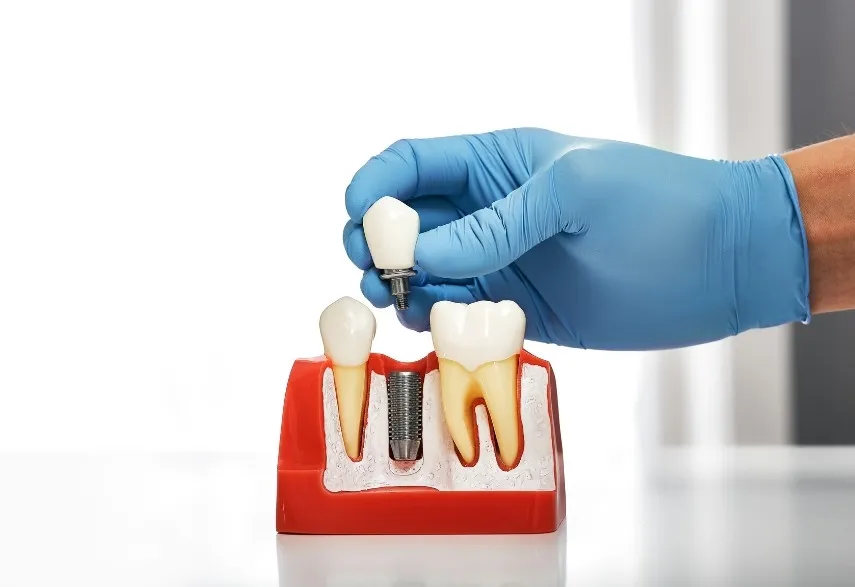
Dental implants address the problem at its source rather than simply covering the gap. A titanium post is placed directly into the jawbone, where it fuses with living bone tissue over several months, creating a stable foundation that functions like a natural tooth root. A custom-crafted crown is then attached, matched to your surrounding teeth in shape, size, and shade so the final result blends in naturally when you smile, eat, or speak.

At Centreville Family and Cosmetic Dentistry, we take a careful, individualized approach to implant dentistry. Every patient's jawbone, bite, and health history are different, so we start with a thorough evaluation before recommending any treatment plan. Our goal is a result that holds up for years, not just one that looks good on day one.

Schedule a Consultation

Signs You May Benefit from Dental Implants

Tooth loss affects people differently depending on which tooth is missing, how long the space has been open, and overall oral health. The following signs are common reasons patients schedule an implant consultation with our team.

  • Missing One or More Teeth: Any gap from an extraction, injury, or decay is a candidate for implant replacement, regardless of how long ago the tooth was lost.
  • Loose or Failing Dentures: Dentures that slip, click, or require adhesive throughout the day can often be stabilized or replaced using implant-supported solutions.
  • Difficulty Chewing Certain Foods: Avoiding tougher foods due to missing or unstable teeth is a strong sign your bite function needs restoration.
  • Shifting Neighboring Teeth: Teeth adjacent to a gap tend to drift inward over time, which can gradually affect your bite alignment.
  • Visible Jawbone Shrinkage: A sunken appearance near a missing tooth site often signals bone loss that an implant can help halt.
  • Self-Consciousness When Smiling: Covering your mouth or avoiding photos because of a gap is a common, valid reason to pursue replacement.
  • A Bridge That Needs Replacing: Older bridgework that is failing or has damaged supporting teeth may be a good candidate for implant conversion.
  • Healthy Gums and Adequate Bone: Patients with generally good oral health and sufficient jawbone density are typically excellent implant candidates.
  • Speech Changes: Gaps near the front of the mouth can cause whistling sounds or slurred speech that implants can correct.
  • Desire for a Permanent Solution: Patients tired of removable appliances often prefer the fixed, long-term stability implants provide.

Not every situation calls for the same solution, and factors like bone density or gum health can affect your options. A thorough exam lets us confirm candidacy and map out the right path before any treatment begins.

What Leads to Tooth Loss?

Understanding why a tooth was lost helps us plan the most durable replacement strategy. Several conditions, often overlapping, contribute to the need for implant treatment.

Advanced Tooth Decay

Deep cavities that reach the root often cannot be saved with a filling or crown, leaving extraction as the only option to stop the spread of infection.

Gum Disease

Periodontal disease breaks down the bone and tissue supporting teeth, which is one of the most common reasons adults lose teeth later in life.

Trauma or Injury

Sports injuries, falls, or accidents can fracture or knock out a tooth beyond repair, requiring extraction and future replacement.

Cracked or Fractured Teeth

A severe crack that extends below the gumline frequently cannot be restored and leads to extraction and implant planning.

Congenitally Missing Teeth

Some patients are simply born without certain adult teeth, and implants offer a permanent way to fill those gaps once jaw growth is complete.

Long-Term Tooth Loss

Teeth missing for years without replacement allow surrounding bone to resorb, sometimes requiring a bone graft before implant placement.

Smoking and Lifestyle Factors

Tobacco use restricts blood flow to the gums and bone, accelerating decay and gum disease that frequently result in tooth loss over time.

From First Exam to Lasting Results

Implant treatment happens in careful stages, giving your bone time to heal properly and giving us time to confirm every detail fits your bite and smile correctly.

1

Initial Consultation & Discussion

We review your dental history, discuss your goals, and talk through what to expect from treatment, timeline, and recovery before anything is scheduled.

2

Comprehensive Clinical Evaluation

Digital X-rays and a full oral exam allow us to measure bone density, check gum health, and determine whether any preparatory work, such as a bone graft, is needed.

3

Customized Treatment Plan

We map out the exact implant position, number of teeth being replaced, and crown design, giving you a clear understanding of the process from start to finish.

4

Gentle Implant Placement

The titanium post is placed into the jawbone under local anesthesia, followed by a healing period of several months while it fuses securely with the bone.

5

Custom Crown & Ongoing Support

Once healed, a custom crown is attached to the implant, and we schedule follow-up visits to confirm proper fit, bite alignment, and long-term comfort.

What a Dental Implant Can Really Do for You

Implants are often described as the closest thing to a natural tooth because they restore more than appearance. They restore how your mouth actually functions.

Reliable Chewing Function

Because the implant fuses with bone, it supports normal bite force, letting you eat the foods you enjoy without hesitation or discomfort.

Protection for Jawbone Health

Unlike bridges or dentures, implants stimulate the jawbone the same way a natural root does, helping prevent the bone loss that follows tooth loss.

A Natural Look and Feel

Crowns are custom shaded and shaped to match your surrounding teeth, so the final result blends seamlessly when you smile or speak.

No Impact on Neighboring Teeth

Implants stand independently and do not require grinding down adjacent healthy teeth, unlike traditional bridge preparation.

Long-Term Durability

With proper care and regular checkups, implants are built to last for decades, making them a solid long-term investment in your oral health.

Renewed Confidence

Patients consistently tell us how much easier it feels to smile, speak, and socialize once a gap has been permanently closed.

Why Jawbone Health Matters So Much for Implant Success

A natural tooth root does more than anchor a tooth. It constantly sends signals to the surrounding bone, keeping it dense and stimulated. Once a tooth is lost, that stimulation disappears, and the jawbone can begin to shrink within months, a process that accelerates the longer the space is left open.

This is why timing matters. Patients who wait years to replace a missing tooth sometimes need a bone graft before an implant can be placed securely, adding time and an additional procedure to the process. Addressing tooth loss sooner rather than later typically keeps treatment simpler and more predictable.

Once in place, the implant takes over the job the natural root used to do. It transmits chewing force into the bone, keeping it active and healthy for years to come. This is one of the main reasons implants are considered a more biologically sound solution than removable dentures or fixed bridges, which do nothing to preserve the bone beneath them.

Caring for Your Implant Between Visits

A dental implant does not decay like a natural tooth, but the gum and bone around it still need consistent care to stay healthy long term.

Brush Twice Daily

Use a soft-bristled brush around the implant crown and gumline just as you would with natural teeth to prevent plaque buildup.

Floss or Use Water Flossers

Cleaning around the base of the implant helps prevent gum inflammation, a condition known as peri-implantitis.

Avoid Chewing Very Hard Items

Ice, hard candy, and pen caps can stress the crown and its connection over time, so it's best to avoid habitually biting them.

Keep Up with Routine Checkups

Regular visits allow us to monitor the implant, surrounding gum tissue, and bite alignment for any early signs of concern.

Quit or Avoid Smoking

Tobacco use slows healing and increases the risk of implant failure, making cessation one of the best things you can do for long-term success.

Wear a Night Guard If Needed

If you grind your teeth at night, a custom guard can protect your implant crown from excess pressure while you sleep.

These habits support the longevity of your implant, but they are not a substitute for professional monitoring. Routine visits remain the best way to catch small issues before they become bigger ones.

"We've seen firsthand how much a missing tooth can affect someone's confidence and daily comfort. Our job is to make the implant process clear, comfortable, and worth the wait for a result that truly lasts."
Clinical Team•Centreville Family and Cosmetic Dentistry
FAQs

Frequently Asked Questions

Answers to the questions we hear most often about dental implants at our Centreville practice.

How long do dental implants typically last?
With good oral hygiene and regular dental checkups, the titanium implant post can last a lifetime since it fuses permanently with your jawbone. The crown on top typically lasts 10 to 15 years or longer before it may need replacement due to normal wear. Routine checkups help us catch any issues early so your implant continues functioning well for years to come.
Is the dental implant procedure painful?
Most patients describe the placement procedure as far more comfortable than expected since it is performed under local anesthesia. Some mild soreness and swelling are normal for a few days afterward, similar to recovering from an extraction, and over-the-counter pain relievers usually manage any discomfort well. We also review detailed aftercare instructions to help keep your recovery as smooth as possible.
How long does the entire implant process take?
From initial placement to final crown, the process generally takes between three and six months, since the implant needs time to fully fuse with your jawbone before the crown is attached. If a bone graft is needed first, the overall timeline may extend further. We will walk you through a specific timeline for your situation during your consultation.
Am I a good candidate for dental implants?
Most adults with reasonably healthy gums and enough jawbone density are good candidates for implants. Conditions like uncontrolled diabetes, active gum disease, or significant bone loss may require additional treatment first, but they rarely rule out implants entirely. A comprehensive exam with digital imaging gives us the clearest picture of whether implants are right for you.
What happens if I don't have enough jawbone for an implant?
If imaging shows insufficient bone density at the implant site, a bone graft can rebuild the area so it can properly support an implant. This adds healing time before the implant itself can be placed, typically a few additional months. We will explain whether a graft is needed and outline the full timeline during your evaluation.
Can dental implants replace multiple missing teeth?
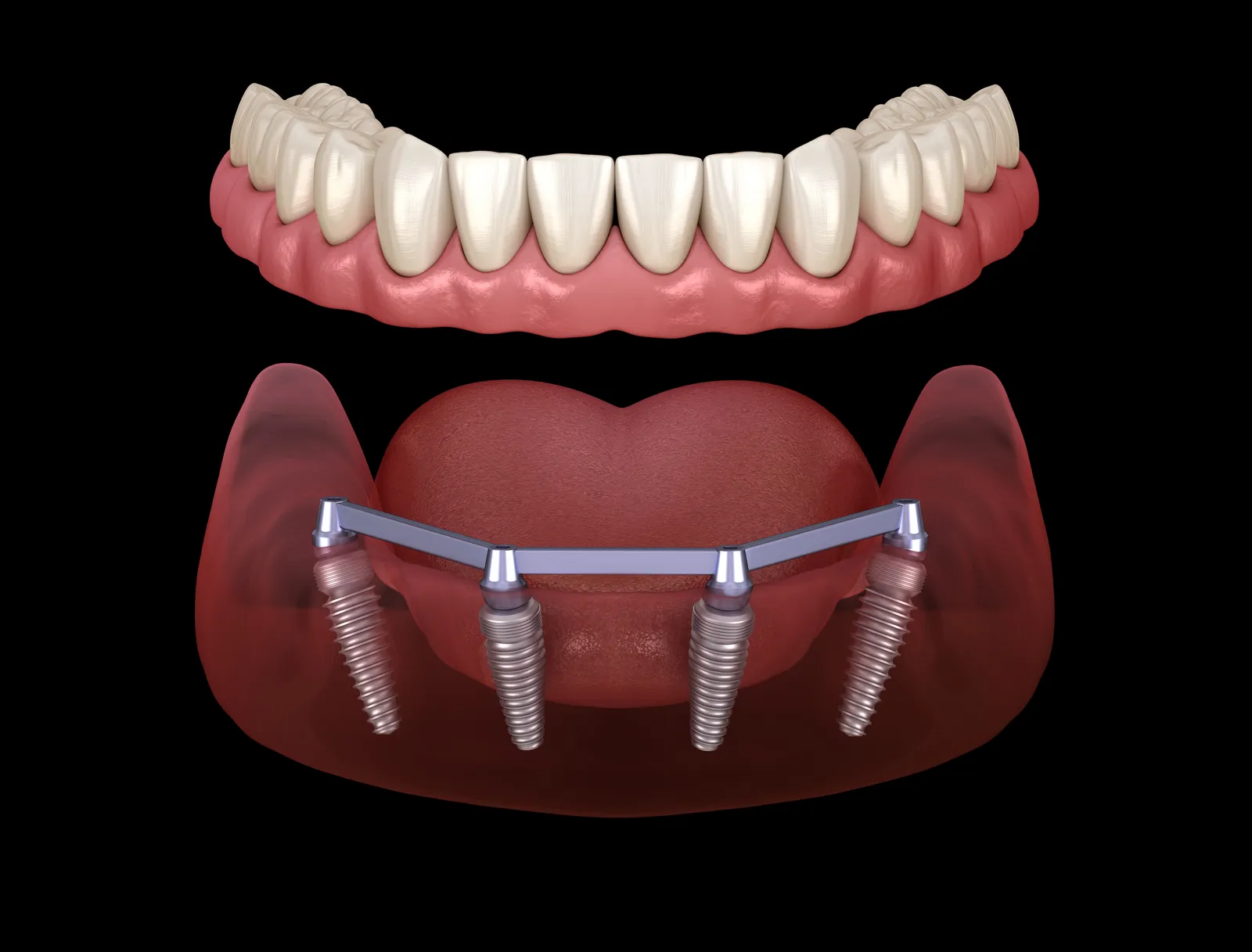
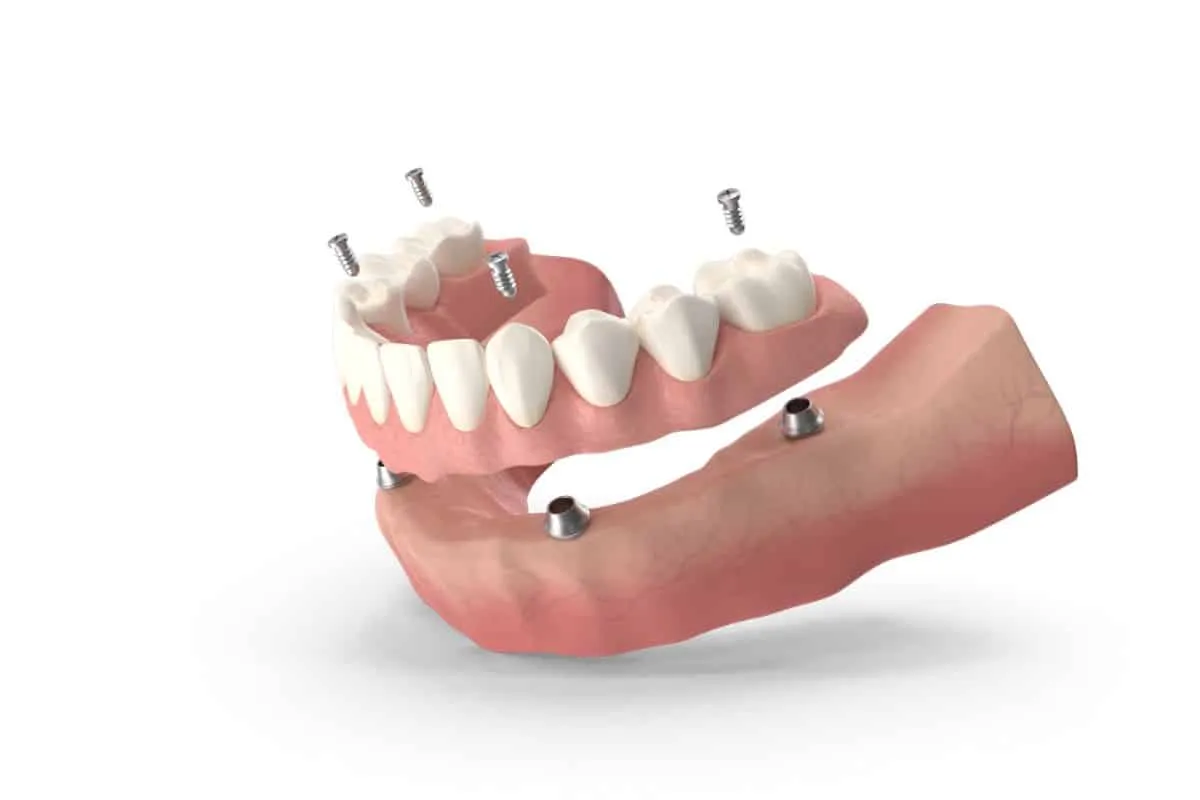
Yes, implants can support individual crowns for several missing teeth, or a smaller number of implants can anchor a bridge or full denture for patients missing many teeth. This approach is often more comfortable and stable than traditional removable dentures. We will recommend the configuration that best fits your bone structure and the number of teeth being replaced.
How do I care for my implant long term?
Caring for an implant is similar to caring for a natural tooth: brush twice daily, floss or use a water flosser around the base, and keep up with regular dental checkups. Avoiding tobacco and very hard foods also helps protect the implant and surrounding gum tissue. These simple habits go a long way toward protecting your investment for the long run.
Does insurance cover the cost of dental implants?
Coverage varies widely between insurance plans, and some policies cover a portion of the procedure while others do not include implants at all. Our team will help verify your benefits and explain available financing options so cost does not stand between you and a lasting solution. We are happy to walk through the specifics based on your individual plan.

BOOK YOUR VISIT

Start your family dentistry journey in Centreville

Join the Centreville families who trust Centreville Family and Cosmetic Dentistry. New patients and emergencies are always welcome.